
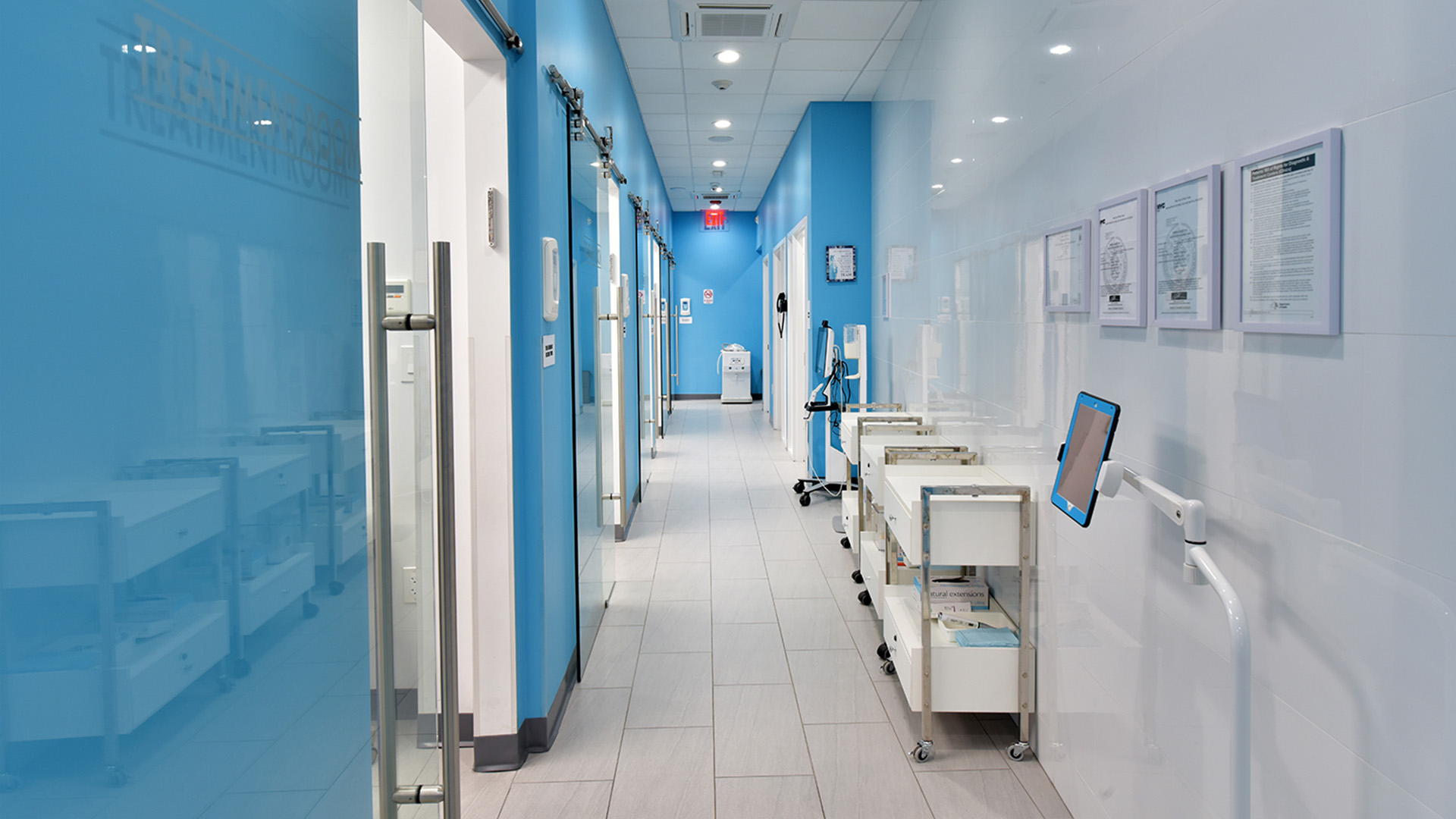
For decades, medical care and dental care have existed in separate systems. Different offices, different insurance plans, different providers, and often no communication between them. Yet research has consistently shown that oral health is deeply connected to overall health, with the oral health impact extending to conditions like heart disease, diabetes, respiratory infections, and even pregnancy complications, all of which are closely linked to the health of the mouth.
Recent research has highlighted the strong connection between oral and systemic health, emphasizing how oral hygiene and dental conditions can influence the entire body.
Today, that separation is finally changing. Across the healthcare industry, medical and dental care are beginning to merge into a more integrated, patient-centered model. This shift is driven by better research, rising healthcare costs, and a growing understanding that treating the body in pieces simply doesn’t work, with oral health care now recognized as a vital part of integrated, holistic treatment.
At MediDental Care in Astoria,the All-on-4® integrated approach is already a reality.
Historically, dentistry developed outside the traditional medical system. The separate dental care system meant dental insurance evolved independently, dental records were isolated from medical charts, and patients were expected to manage both sides of their health independently. This fragmentation contributed to gaps in communication and coordination between providers.
This separation created major gaps in care:
This divide led to unmet oral health needs for many patients, especially those facing barriers to access.
As a result, preventable conditions often escalated into serious medical issues that required emergency care or hospitalization, leaving many with unmet oral health as a consequence of the historical separation.
Modern research has made one thing clear: the mouth is not isolated from the rest of the body.
Poor oral health has been linked to:
Gum disease, or periodontal disease, in particular, allows bacteria to enter the bloodstream, contributing to inflammation throughout the body. Periodontal disease is now recognized as a key risk factor for systemic diseases, including cardiovascular disease and diabetes. In patients with diabetes, untreated gum disease can make blood sugar levels harder to control, and poor oral health is also linked to associated chronic diseases such as diabetes and heart disease. In heart patients, oral infections can increase cardiovascular risk.
This growing body of evidence on the connection between oral health and systemic diseases has forced healthcare providers to rethink how care should be delivered.
Integrated care means medical and dental providers working together, sharing information, coordinating treatment, and addressing health issues holistically rather than in silos. Medical dental integration and medical and dental integration are collaborative approaches where medical and dental professionals partner in co-located practices or through formal partnerships to deliver whole-body, patient-centered care.
In an integrated model:
This approach improves outcomes while reducing redundant testing, unnecessary referrals, and emergency visits. An integrated health system enables comprehensive patient care by unifying dental and medical services, fostering interprofessional collaboration, and addressing both systemic and oral health needs.
In New York State, Article 28 facilities are licensed to provide both medical and dental services under one roof. As part of the broader health care system, these facilities play a key role in advancing the integration of oral and general health care. This model allows for seamless coordination between providers and creates a more efficient healthcare experience for patients. Similar integration is also seen in public health settings and community health centers across the country, where medical and dental care are combined to improve access and promote health equity for underserved populations.
MediDental Care operates under this Article 28 model, making it one of the few practices in Astoria offering true integrated medical and dental care.
This structure allows patients to receive comprehensive care in one location, often during the same visit.
When medical and dental providers work together, patients benefit in several critical ways. Integrated care enhances patient care and supports better patient health by addressing both oral and systemic health needs through collaboration. This approach leads to improved health outcomes as a result of integration.
Dentists often detect early signs of diabetes, autoimmune conditions, infections, and nutritional deficiencies during oral exams. Integrated care also facilitates the early detection of oral cancer during routine exams, allowing dental professionals to screen for and identify potential issues sooner. Integrated care ensures these findings are shared with medical providers immediately.
Patients with heart disease, diabetes, or high blood pressure require careful coordination during dental procedures. Integrated care ensures treatment is safe and customized.
Additionally, integrated care supports better disease control for patients with complex conditions by enabling medical and dental providers to work together on comprehensive management and prevention strategies.
Managing conditions like diabetes becomes more effective when oral health is part of the care plan.
Chronic disease directors play a key role in supporting integrated care initiatives by developing frameworks and promoting collaboration between medical and dental professionals.
Many medical emergencies begin as untreated dental emergencies. Integrated care reduces avoidable ER visits.
By reducing emergency visits, integrated care models help promote health equity by improving access to timely and preventive care for all patients, especially those in underserved communities.
One of the biggest benefits of merging medical and dental care is cost reduction. Integrating medical and dental services helps control health care costs by streamlining care, reducing unnecessary procedures, and minimizing expensive emergency visits.
Fragmented care often leads to:
Integrated care focuses on prevention and early intervention, which lowers costs for both patients and the healthcare system as a whole.
Today’s patients want convenience, transparency, and efficiency. Managing multiple providers across different locations is time-consuming and frustrating.
Integrated care offers:
This model aligns with how modern patients expect healthcare to work. Integrated care models also support oral health equity by making dental and medical care more accessible and coordinated, helping to close gaps in care for underserved populations.
MediDental Care was built around the idea that healthcare should be connected, efficient, and patient-focused. Modern dental practices at MediDental Care are specifically designed for integration, enabling seamless collaboration between dental and medical providers to support holistic patient health.
As an Article 28 facility in Astoria, MediDental Care offers:
This integrated model allows patients to address multiple health concerns during a single visit, reducing delays and improving outcomes.
Dental emergencies are one of the most common reasons patients visit hospital emergency rooms. Unfortunately, ERs often cannot provide definitive dental treatment.
Federally qualified health centers (FQHCs) serve as models for integrated emergency care by offering both medical and dental services under one roof, using shared electronic health records and team-based approaches to improve patient outcomes.
With integrated care:
MediDental Care provides emergency dental services in Astoria with access to medical oversight when needed.
Preventive care is most effective when medical and dental providers work together. Integrating oral health into primary care settings allows for more comprehensive prevention, enabling providers to address oral health as part of overall patient wellness.
Integrated preventive care includes:
This proactive approach reduces complications and improves quality of life.
Healthcare is moving away from reactive treatment toward prevention, coordination, and whole-body care. Integrated medical and dental models represent the future of patient-centered healthcare, improving overall health outcomes by addressing both oral and overall health in a coordinated manner.
As research continues to highlight the oral-systemic connection and the importance of oral and systemic health, practices that operate in isolation will struggle to deliver optimal care.
Patients who choose integrated care today are better positioned for healthier outcomes tomorrow.
Integrated care combines medical and dental services into a coordinated system where providers communicate and collaborate on patient treatment. In these models, medical professionals, dental professionals, health care professionals, and other healthcare professionals work together to deliver comprehensive care, sharing knowledge and coordinating treatment plans. The integration of dental care within medical practice settings is becoming more common, allowing for seamless collaboration and improved health outcomes. Electronic health records play a crucial role by enabling efficient communication and data sharing between providers, ensuring that all members of the care team have access to up-to-date patient information. This collaborative approach enhances patient care by addressing both oral and systemic health needs in a holistic, patient-centered manner.
The mouth is a gateway to the body. Oral infections and inflammation can affect the heart, lungs, blood sugar levels, and immune system.
Recognizing this, both medical school and dental school curricula are increasingly incorporating the oral-systemic connection, fostering interprofessional collaboration and preparing future providers to address overall health more effectively. Dental education now emphasizes communication skills, behavioral sciences, and holistic, patient-centered approaches, which are essential for integrated care and improved patient outcomes.
In most cases, it reduces overall healthcare costs by preventing complications and eliminating unnecessary visits and referrals. Pacific Dental Services and PDS supported dental practices are leading the way in cost-effective integrated care, using shared health records and collaborative models to streamline services and improve patient outcomes.
An Article 28 facility is licensed in New York State to provide medical and dental services under one roof, allowing for integrated care. A public health consultant often plays a key role in supporting Article 28 integrated care models by facilitating collaboration between medical and dental teams and helping to implement public health initiatives within these facilities.
Yes. MediDental Care in Astoria operates as an Article 28 facility providing both medical and dental care in one location.
You can visit https://medidentalcare.com or call 718-728-8800 to book an appointment.
The future of healthcare is integrated, preventive, and patient-centered. By combining medical and dental care under one roof, MediDental Care is helping Astoria patients achieve better health outcomes while reducing costs and complexity.
To learn more or schedule a visit, contactMediDental Care today:
Website:https://medidentalcare.com
Phone: 718-728-8800
Interested in a whiter smile? Check out our whitening offer.
Address:
2246 31st St, Astoria, NY 11105