
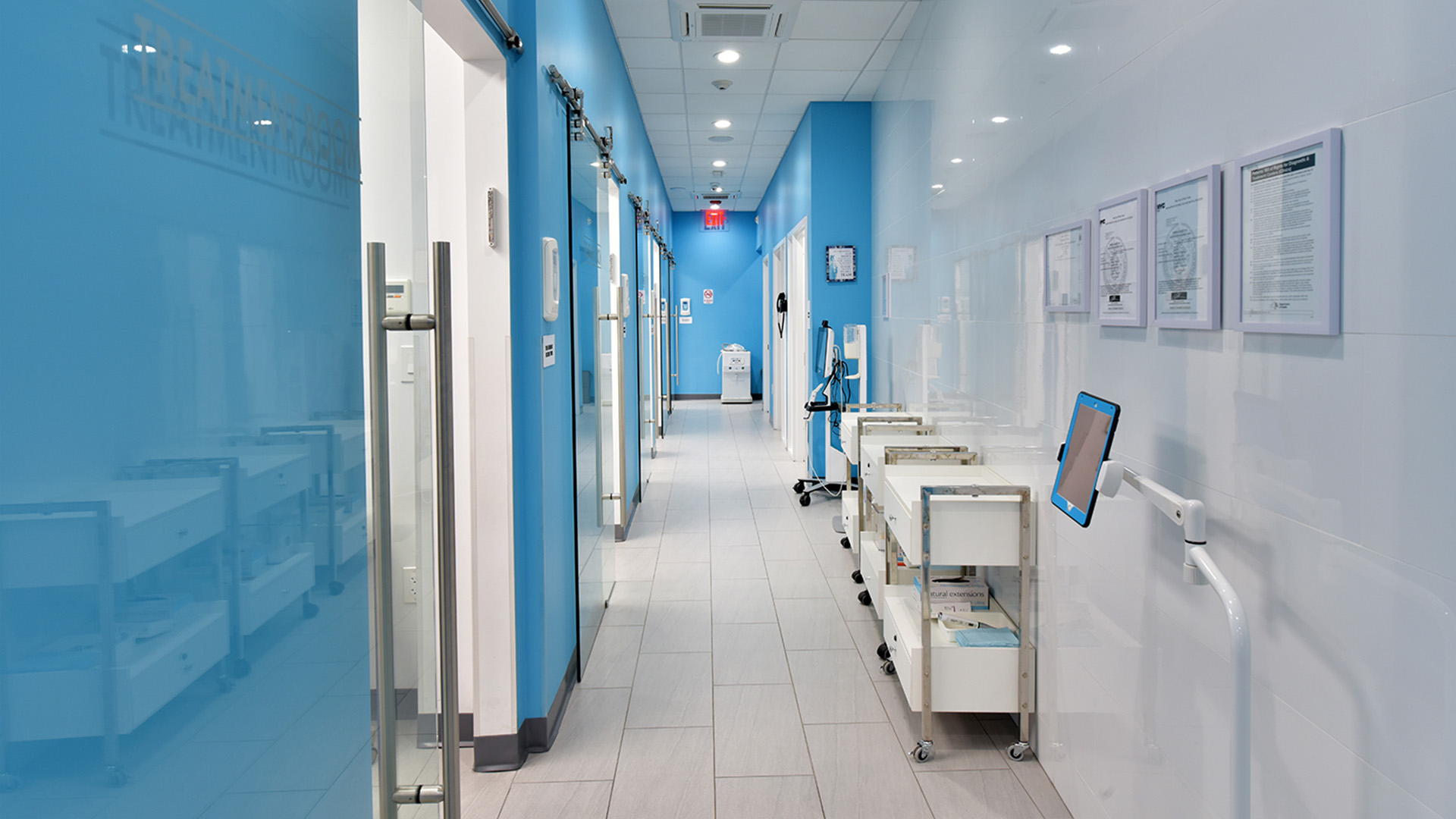
Across the country, dental emergencies are on the rise. Emergency rooms, urgent care centers, and dental practices are seeing more patients than ever with severe tooth pain, infections, broken teeth, and swelling. What’s driving this surge is not a sudden decline in oral health awareness, but a combination of delayed care, post-pandemic gaps, and systemic issues in healthcare access. Accessible health resources, such as those provided by the Health Resources and Services Administration, play a crucial role in preventing dental emergencies, especially for underserved communities.
This increase in dental emergencies has significant public health implications, highlighting the need to integrate dental care with public health strategies to improve emergency response, control infectious risks, and address disparities in access to essential dental services.
Many of these emergencies are preventable. Yet when routine dental visits are postponed, small problems often escalate into urgent situations that require immediate intervention. At MediDental Care in Astoria,emergency dental visits have become increasingly common, reflecting a broader national trend.
Understanding why dental emergencies are increasing—and how to prevent them—can help patients protect their oral health and avoid unnecessary pain, cost, and complications.
The COVID-19 pandemic significantly disrupted routine healthcare (coronavirus disease 2019 (COVID-19)), impacting dental emergency trends. Dental offices closed temporarily, appointments were postponed, and many patients avoided care due to safety concerns or financial uncertainty.
As a result:
Even years later, the effects of delayed care are still being felt. Patients who skipped cleanings or exams are now presenting with advanced decay, infections, and abscesses that require urgent treatment.
The pandemic has also highlighted emerging and future challenges in dental and oral health care, emphasizing the need for the profession to adapt to unforeseen issues and ensure continued access to both emergency and routine care.
Dental problems rarely start as emergencies. Most begin as manageable issues that worsen gradually.
Examples include:
When routine dental care is delayed, these conditions often reach a tipping point where emergency intervention is the only option. Delayed care frequently results in unmet dental needs, particularly among vulnerable populations, which can escalate into emergencies.
Delayed or incomplete treatment can also result in emergency dental revisits, as unresolved or recurring issues may require additional urgent care. Addressing the root cause during the initial emergency visit is crucial to prevent repeated emergency dental revisits and improve patient outcomes.
Several factors are contributing to the increase in emergency dental visits. Financial barriers are a significant reason why many patients delay seeking dental care.
Dental and oral medicine plays a crucial role in providing comprehensive patient care, ensuring infection control, and effectively managing dental emergencies.
Routine exams and cleanings are the foundation of oral health. When these are skipped, problems go unnoticed until pain or swelling forces patients to seek urgent care.
Some patients delayed care due to job loss, insurance changes, or cost concerns. Lack of health insurance can make it even more difficult for patients to access timely dental care, increasing the likelihood of emergencies. Unfortunately, emergency care is often more expensive than preventive treatment.
Stress can weaken the immune system, increase teeth grinding, and worsen gum disease. Many patients are experiencing stress-related dental issues that escalate quickly.
Hospital emergency rooms are often not equipped to treat dental problems definitively. This leaves patients searching for an emergency dentist when pain becomes unbearable. Emergency dental care facilities play a crucial role in providing urgent treatment when traditional dental clinics are unavailable or overwhelmed.
Dental emergencies can impact anyone, but certain demographic characteristics make some individuals more susceptible to urgent dental problems. Factors such as age, socioeconomic status, geographic location, and overall health all play a role in the likelihood of experiencing a dental emergency.
Access to dental care is a significant determinant. People from low-income backgrounds or those living in rural areas often face barriers to regular dental visits and preventive care. Without consistent access to dental services, minor oral health issues can go untreated, eventually escalating into dental emergencies that require immediate attention. According to the American Dental Association, emergency department visits for dental conditions have surged by 40% between 2000 and 2010, placing a growing strain on the health care system.
Age and health status also influence the types of dental emergencies seen in emergency departments. Children and young adults are more likely to experience dental trauma, such as a chipped tooth or knocked-out tooth, often due to sports or accidents. In contrast, older adults are at higher risk for dental abscesses, oral diseases, and complications related to chronic conditions like diabetes or heart disease. These underlying health issues can compromise the oral cavity and make dental treatment more complex.
Insurance coverage is another critical factor. Many emergency dental patients are uninsured or underinsured, leading them to seek care in hospital emergency rooms rather than at a dental office. Unfortunately, emergency dental visits to the ER are often more expensive and less effective than treatment provided by local dentists. Research published in the Journal of Dental Research found that the average cost of a dental emergency visit to an emergency department far exceeds that of a visit to a dental practice, highlighting the financial burden on both patients and the health care system. Studies published in BMC Oral Health, J Dent Sci, J Formos Med Assoc, and Spec Care Dent have also examined trends, outcomes, and management strategies for emergency dental visits among various populations.
To address these challenges, improving access to dental care is essential. Community-based dental clinics, mobile dental units, and expanded dental insurance coverage can help ensure that preventive services and timely dental treatment are available to those who need them most. Dental professionals play a vital role in educating patients about the importance of oral health, encouraging regular dental visits, and providing preventive care to reduce the risk of emergencies.
Understanding the demographic factors behind dental emergency visits allows the health system to develop targeted strategies that improve access, promote preventive care, and reduce the financial and clinical burden of dental emergencies. By prioritizing oral health and supporting policies that expand dental benefits and covered services, we can help ensure better outcomes for all patients—especially those most at risk.
Emergency dental visits often involve conditions that could have been prevented with early intervention.
Common emergencies include:
Many emergency dental visits are due to non traumatic dental conditions, such as severe decay or infections, rather than injuries.
These conditions require prompt evaluation and treatment to prevent further complications.
Dental emergencies encompass a wide range of urgent oral health issues, and understanding their classification is essential for effective treatment. According to the American Dental Association, dental emergencies generally fall into three main categories:
The American Dental Association provides clear guidelines for the diagnosis and clinical management of dental emergencies, ensuring that dental professionals can quickly identify the underlying problem and deliver appropriate care. Accurate diagnosis is the first step in effective emergency dental care, helping to determine the best course of action—whether it’s pain management, infection control, or tooth extraction.
Prompt and proper classification of dental emergencies not only improves patient outcomes but also helps prevent minor dental problems from becoming major health concerns. By seeking care from qualified dental professionals and following ADA recommendations, patients can safeguard their oral health and reduce the risk of future emergencies.
Ignoring a dental emergency can have serious consequences. Oral infections can spread beyond the mouth and affect other parts of the body.
Potential risks include:
Oral medicine plays a crucial role in managing complex or medically related dental emergencies, especially for patients with underlying health conditions, by providing comprehensive and interdisciplinary care.
Dental pain is often the body’s warning sign that something is wrong and needs immediate attention. Effective pain management in dental settings can help address discomfort quickly and reduce reliance on emergency departments.
Many patients turn to hospital emergency rooms for dental pain. While ERs can manage pain temporarily, they typically cannot provide definitive dental treatment.
Emergency rooms often:
Unresolved dental problems can result in repeated ER visits, increasing both healthcare costs and patient frustration.
An emergency dentist, on the other hand, can diagnose the problem and treat it at the source.
At MediDental Care, patients have access toemergency dental services in Astoria that address pain, infection, and damage promptly and effectively.
Dental infections are one of the leading causes of emergency visits. These infections often begin as untreated cavities or gum disease.
Signs of dental infection include:
Clin oral investig plays a crucial role in the systematic assessment and evidence-based management of dental infections to improve patient outcomes.
Left untreated, infections can spread into the jaw, sinuses, or bloodstream, making timely care essential. Strict disease control protocols in dental practices are essential to prevent the spread of infections among patients and staff.
Modern dental practices are now equipped to provide same-day diagnosis and treatment, which helps reduce the severity of emergencies.
Same-day care allows for:
MediDental Care’s full-service model allows patients to receive emergency treatment without long delays or referrals.
While emergencies happen, many can be prevented with consistent care and early intervention.
Preventive steps include:
Preventive care is significantly less costly and less stressful than emergency treatment.
Oral health is closely linked to overall health. Patients with diabetes, heart disease, or weakened immune systems are at higher risk for dental emergencies.
Integrated medical and dental care allows providers to:
General dentists often serve as the first point of contact for emergency dental cases and play a key role in coordinating integrated care.
As an Article 28 facility, MediDental Care offers integrated medical and dental services that improve patient safety during emergency care.
MediDental Care is designed to handle urgent dental needs efficiently and safely.
Patients benefit from:
Many dentists, including those at MediDental Care, are committed to providing care for uninsured or financially limited patients to help prevent emergencies.
This approach reduces wait times and helps patients get relief faster.
Delaying emergency dental care often leads to higher costs over time.
Ignoring symptoms can result in:
Untreated dental emergencies frequently result in costly hospital emergency room visits, which are often less effective than prompt dental care.
Early treatment is almost always more affordable and less invasive.
As awareness grows and access improves, emergency dental care is becoming more efficient and patient-centered. Practices that combine technology, same-day treatment, and integrated care are setting the standard for urgent dental services.
Patients who prioritize preventive care and seek prompt treatment when issues arise are better positioned to avoid emergencies altogether.
Looking ahead, future challenges for emergency dental care include adapting to new health threats such as pandemics, integrating technological advancements, and responding to changes in healthcare policy to ensure resilient and sustainable dental services. Statutory regulation and changes in legal frameworks may also influence how emergency dental care is delivered and accessed in the future.
Severe pain, swelling, infection, broken teeth, and knocked-out teeth are all considered dental emergencies.
Emergency rooms can manage pain temporarily but usually cannot provide definitive dental treatment. An emergency dentist is often the better choice. However, true medical emergencies—such as severe facial swelling that affects breathing or swallowing—should still be treated in the ER.
In some countries, such as France, patients may rely on a French public hospital for emergency dental care, which differs from the US approach where emergency dental services are typically provided outside of public hospital systems.
As soon as possible. Delaying care can lead to complications and increased pain.
Many can be prevented through routine dental care, early treatment, and good oral hygiene.
Yes. MediDental Care provides emergency dental services in Astoria.
Visithttps://medidentalcare.com or call 718-728-8800 for immediate assistance. For more information aboutfinancing options with Cherry, click here.
Dental emergencies are becoming more common, but they don’t have to be part of your story. Early care, preventive treatment, and access to a trusted emergency dentist can make all the difference.
If you’re experiencing dental pain or swelling, contact MediDental Care today:
Website:https://medidentalcare.comPhone: 718-728-8800\
Interested in a brighter smile? Check out ourwhitening offer.
Publisher’s Note:
This article is distributed under the article's Creative Commons licence, which permits sharing, adaptation, and distribution, provided appropriate credit is given to the original authors and source. Please include a credit line when reusing any content. Images or other third party material in this article are included in the article’s Creative Commons licence unless otherwise indicated. If your intended use is not permitted by statutory regulation or exceeds the permitted use, you will need to obtain permission directly from the copyright holder. The publisher remains neutral with regard to jurisdictional claims in published maps and institutional affiliations.
Address:
2246 31st St, Astoria, NY 11105