
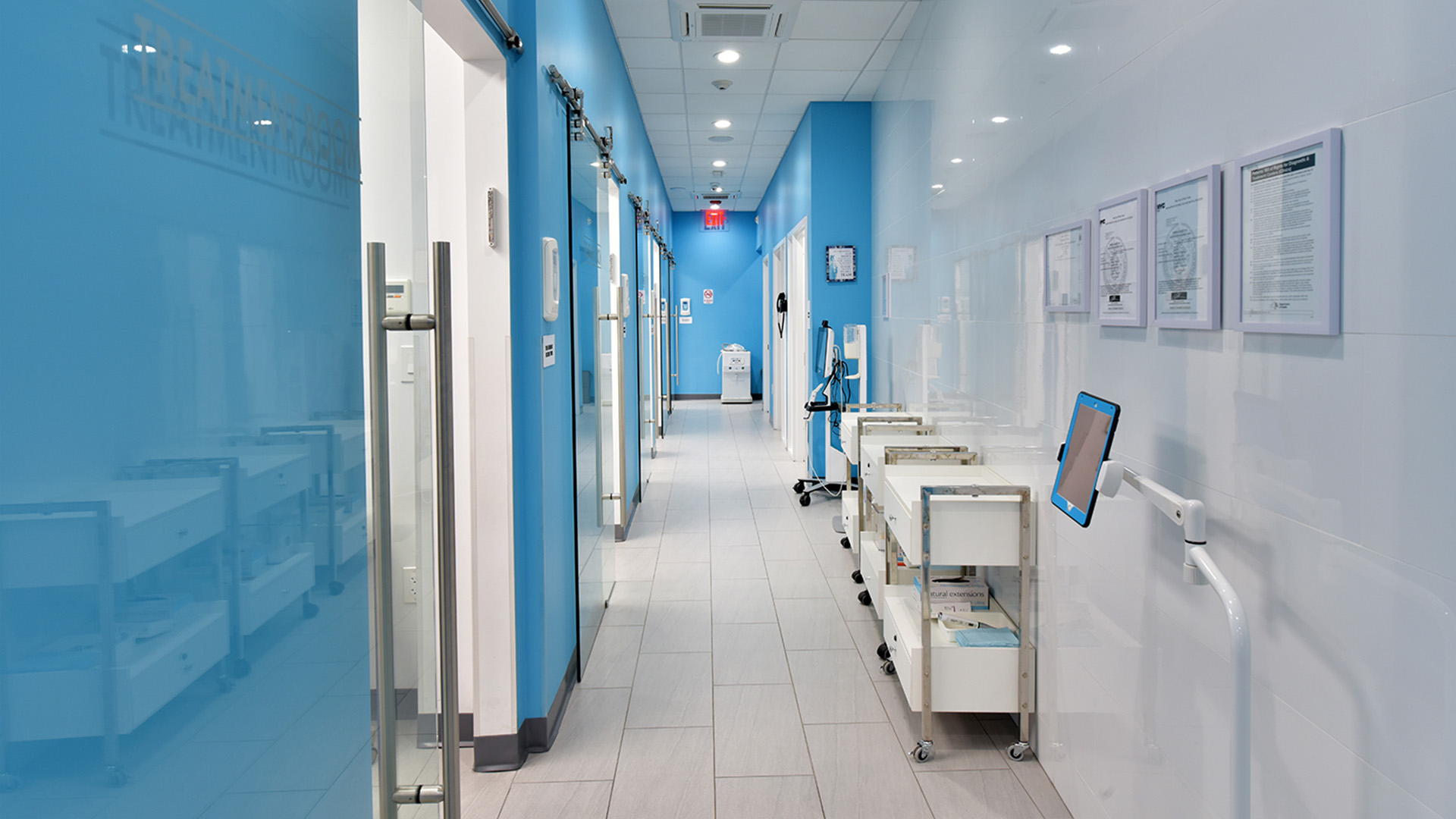
Wisdom teeth are a common topic in dentistry, yet many patients are unsure about when they appear, what symptoms to watch for, and whether removal is truly necessary. At MediDental Care, we help patients throughout NYC understand their oral health and make confident, informed decisions about their treatment. Wisdom teeth, also known as third molars, typically emerge later than other adult teeth, and while some people experience no issues, many others face discomfort, crowding, or infection that requires professional care.
If you have started to notice pain in the back of your mouth or have been told you may need wisdom teeth removal, understanding the signs and timing can make the process much less stressful. Our team is here to guide you every step of the way, from early evaluation to safe and comfortable treatment.
Wisdom teeth are the last set of molars to develop, usually appearing between the ages of 17 and 25. Historically, these teeth served a purpose when diets were rougher and human jaws were larger. Today, however, most people simply do not have enough space in their mouths to accommodate them.
When there is insufficient room, wisdom teeth can become impacted, meaning they are unable to fully erupt through the gums. Impacted wisdom teeth may grow at an angle, press against neighboring teeth, or remain trapped beneath the gum line. This can lead to a range of complications that affect both your comfort and your long-term oral health.
Even when wisdom teeth do erupt, they can be difficult to clean due to their location at the very back of the mouth. This increases the risk of tooth decay, gum disease, and infection. For many patients, proactive evaluation and timely removal can prevent more serious issues down the road.
One of the most important steps in managing wisdom teeth is recognizing the early warning signs. Symptoms can vary depending on how the teeth are developing, but there are several common indicators that should not be ignored.
Pain or discomfort in the back of the mouth is often the first sign that wisdom teeth are emerging. This pain may come and go or become more persistent over time. Swelling around the gums, especially near the molars, is another frequent symptom. The gums may appear red, tender, or even slightly inflamed.
Some patients notice jaw stiffness or difficulty opening their mouths fully. This can be especially noticeable when chewing or speaking. In more advanced cases, an infection can develop around a partially erupted wisdom tooth, leading to a condition known as pericoronitis. This may cause bad breath, an unpleasant taste, and increased sensitivity in the affected area.
Headaches, earaches, and even neck discomfort can sometimes be linked to impacted wisdom teeth due to pressure within the jaw. If you experience any of these symptoms, it is important to schedule an evaluation so we can assess the position and health of your wisdom teeth.
Not every patient requires wisdom teeth removal, but many do. The decision is based on several factors, including the position of the teeth, the amount of available space in the jaw, and whether symptoms are present.
In general, removal is recommended when wisdom teeth are impacted, causing pain, or posing a risk to surrounding teeth. If a wisdom tooth is growing at an angle and pushing against a neighboring molar, it can lead to damage, crowding, and misalignment. Early removal can help preserve the alignment of your smile and prevent the need for additional orthodontic treatment.
Wisdom teeth that are partially erupted are also a concern. These teeth create small openings in the gums where bacteria can enter, increasing the likelihood of infection. In many cases, removing these teeth before complications arise is the most effective way to protect your oral health.
Even if you are not currently experiencing symptoms, we may recommend monitoring or removing wisdom teeth based on their development. Digital imaging allows us to evaluate the position of the teeth and anticipate potential issues before they become more serious.
Timing plays a significant role in the success and ease of wisdom teeth removal. For most patients, the late teenage years and early twenties are considered the ideal window for this procedure. During this time, the roots of the wisdom teeth are not yet fully developed, and the surrounding bone is more flexible, which can make the extraction process smoother and recovery faster.
Delaying removal can lead to more complex procedures. As the roots continue to grow and the bone becomes denser, extractions may require more advanced techniques. Additionally, older patients may experience a longer healing period and a slightly higher risk of complications.
That said, wisdom teeth removal can still be performed safely at any age. The key is to have regular dental checkups so we can monitor your oral health and recommend the appropriate timing for treatment based on your individual needs.
At MediDental Care, your comfort and clarity are our priorities. A wisdom teeth evaluation begins with a thorough clinical examination, during which we assess your symptoms and examine the back of your mouth. We also take digital X-rays to get a detailed view of the position of your wisdom teeth beneath the gums.
These images allow us to determine whether the teeth are impacted, how they are oriented, and whether they are affecting nearby structures such as nerves or adjacent teeth. Based on this information, we create a personalized treatment plan that outlines whether removal is necessary and what you can expect from the procedure.
We take the time to answer your questions and explain each step of the process so you feel confident and informed. Our goal is to ensure that you fully understand your options and are comfortable with your care plan.
Wisdom teeth removal is a routine oral surgery that we perform with a focus on safety and patient comfort. Before the procedure begins, we discuss your anesthesia options, which may include local anesthesia, sedation, or a combination of both. This ensures that you remain relaxed and pain-free throughout the treatment.
During the procedure, we carefully remove the wisdom teeth while minimizing disruption to the surrounding tissues. If a tooth is impacted, a small incision may be made in the gum to access it. In some cases, the tooth is divided into smaller sections to make removal easier and more precise.
Once the teeth are removed, the area is cleaned, and stitches may be placed if necessary. The entire process is typically completed in a single visit, and most patients are able to return home the same day with detailed aftercare instructions.
Recovery after wisdom teeth removal varies from patient to patient, but most people can expect a gradual improvement over the course of several days. Mild swelling, discomfort, and slight bleeding are normal during the initial healing period.
We provide clear aftercare guidelines to help you recover comfortably. This includes recommendations for managing swelling, maintaining oral hygiene, and choosing soft foods that are easy to eat while your mouth heals. It is important to avoid strenuous activity and follow all instructions to reduce the risk of complications such as dry socket.
Most patients are able to resume their normal routines within a few days, although complete healing may take a bit longer. Our team remains available to support you throughout your recovery and address any concerns you may have.
Delaying or avoiding necessary wisdom teeth removal can lead to a variety of complications that impact your oral health. Impacted teeth can cause persistent pain and swelling, making it difficult to eat, speak, and maintain proper oral hygiene.
Infections are another common concern. Bacteria can accumulate around partially erupted teeth, leading to gum inflammation and more serious conditions if left untreated. Over time, this can affect the surrounding bone and neighboring teeth.
Crowding and shifting of teeth may also occur, particularly if wisdom teeth push against existing molars. This can compromise the alignment of your smile and undo previous orthodontic work. In some cases, cysts or damage to adjacent teeth may develop, requiring more extensive treatment.
By addressing wisdom teeth concerns early, you can avoid these complications and maintain a healthier, more comfortable smile.
At MediDental Care, we understand that every patient’s situation is unique. Our approach to wisdom teeth management is based on careful evaluation, clear communication, and a commitment to your long-term oral health. Whether you need monitoring, preventive care, or removal, we tailor our recommendations to your specific needs.
We use advanced technology and modern techniques to ensure that your experience is as efficient and comfortable as possible. From your initial consultation to your final follow-up, our team is here to provide the support and care you deserve.
If you are experiencing symptoms related to wisdom teeth or have questions about whether removal is necessary, we invite you to schedule an appointment with our office. Taking a proactive approach to your oral health can make all the difference in preventing discomfort and protecting your smile for years to come.
If you are in your late teens or early twenties and have not yet had your wisdom teeth evaluated, now is a great time to schedule a visit. Early assessment allows us to identify potential issues before they become more serious.
You should also contact us if you notice pain, swelling, or changes in the back of your mouth. Even mild symptoms can indicate underlying concerns that benefit from professional attention.
At MediDental Care, we are dedicated to helping you maintain a healthy, confident smile through every stage of life. Wisdom teeth may be a natural part of development, but with the right care and timing, they do not have to become a source of discomfort or concern.
Call mediDental care at (718) 728-8800 or Schedule an Appointment Online
Wisdom teeth typically begin to emerge between the ages of 17 and 25. However, this can vary from person to person, and some individuals may experience earlier or later development.
Not always. Some wisdom teeth grow in properly and do not cause any issues. However, many patients require removal due to lack of space, impaction, or increased risk of infection and crowding.
An impacted wisdom tooth is one that cannot fully erupt through the gums due to lack of space or improper positioning. It may grow sideways, remain partially trapped, or stay completely beneath the gum line.
Common symptoms include pain in the back of the mouth, swollen or tender gums, jaw stiffness, difficulty opening your mouth, bad breath, and an unpleasant taste caused by infection.
The procedure itself is not painful because anesthesia or sedation is used to keep you comfortable. After the procedure, some mild discomfort and swelling are normal, but these can be managed with proper aftercare and medication.
Most patients recover within a few days to a week. Initial swelling and discomfort usually improve within the first three days, while complete healing may take a couple of weeks.
Dry socket is a condition that occurs when the blood clot at the extraction site becomes dislodged, exposing the underlying bone. You can reduce your risk by avoiding smoking, using straws, and following all post-operative care instructions.
Yes, impacted or growing wisdom teeth can create pressure in the jaw, which may lead to headaches, earaches, or even neck discomfort in some cases.
Leaving problematic wisdom teeth untreated can lead to infections, gum disease, damage to nearby teeth, crowding, and even cyst formation. Early evaluation helps prevent these complications.
The best way to know is through a professional evaluation. At MediDental Care, we use digital imaging and a thorough exam to determine whether your wisdom teeth should be monitored or removed based on your specific situation.
Address:
2246 31st St, Astoria, NY 11105Bayside Location (Coming Soon)
Phone:
Address:
73-38 Bell Blvd, Bayside, NY 11364